


Quartz sand arena surfaces — on mats and ArenaWet
The surface is the one thing in an arena that cannot be put right afterwards without taking it apart. That is why it is chosen not by price per metre, but by how much work it leaves behind every day.
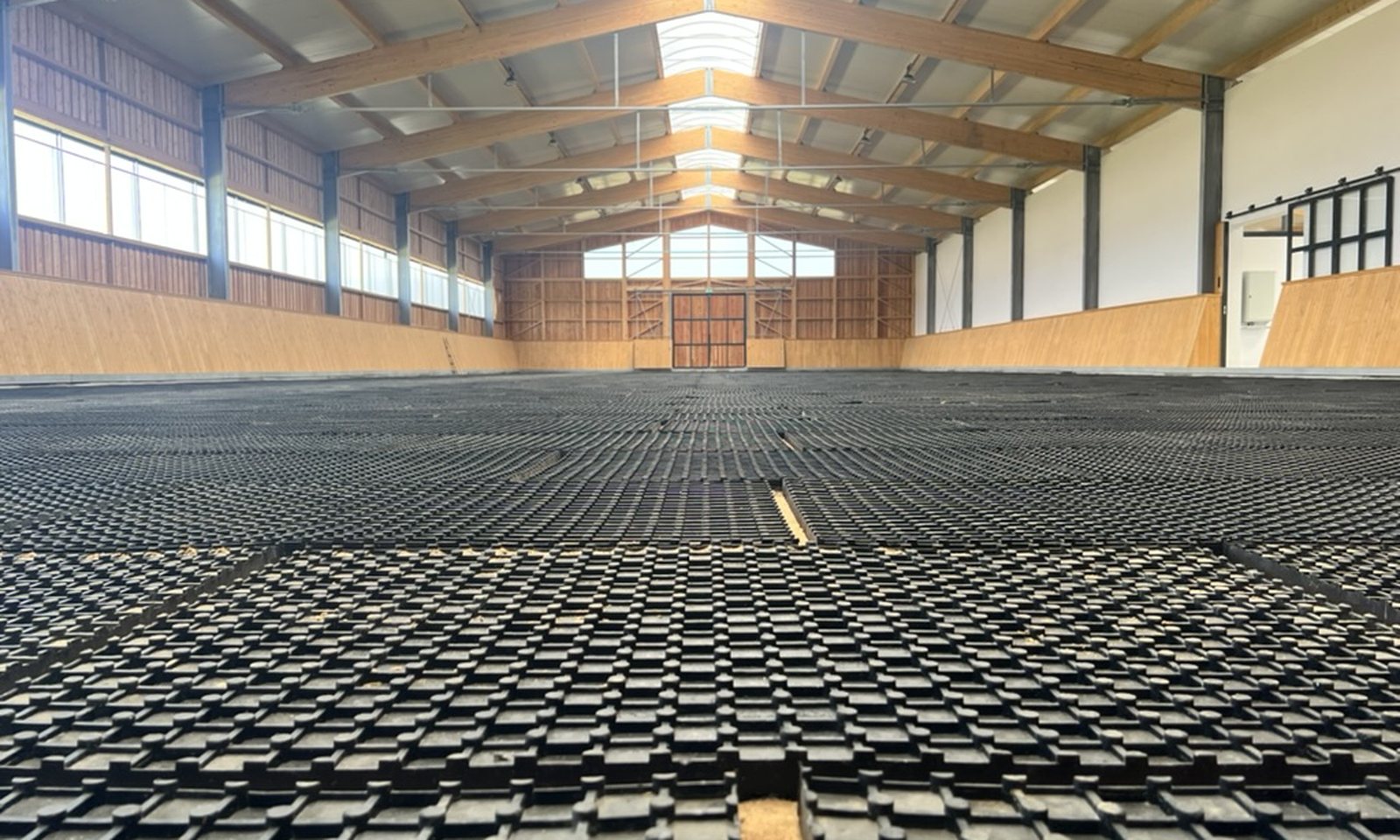
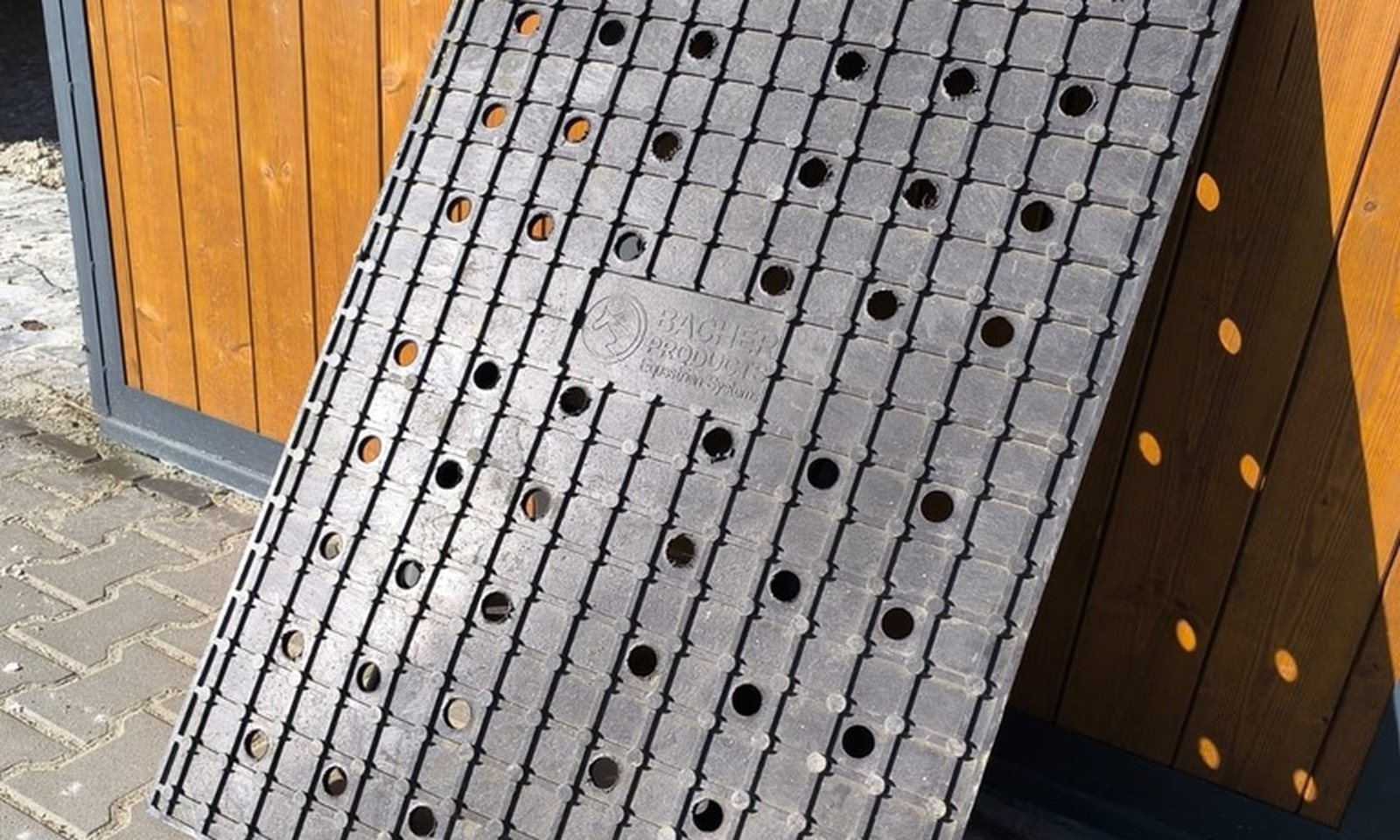
We supply two quartz sand systems: quartz sand on perforated mats and ArenaWet with sub-surface (ebb-and-flow) irrigation. Both rest on the same principle — the mat separates the riding layer from the sub-base. It is the mat that determines everything that happens afterwards.
Price your surface online Ask an expert
See the surface in practice
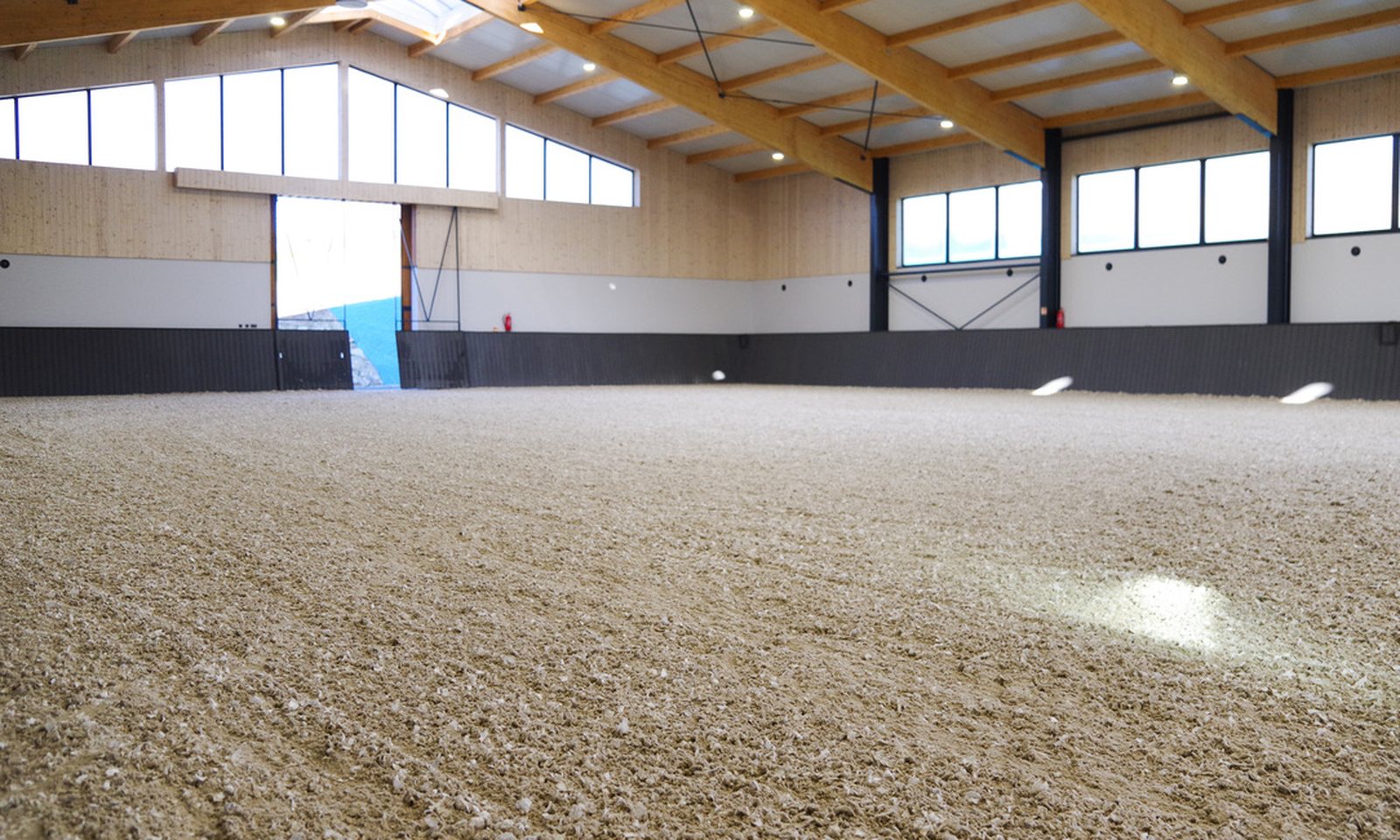
Two short films from our projects: a finished arena with a quartz sand layer on perforated mats, and a sand-free surface in everyday use.
Why the mat changes everything
A conventional quartz sand surface lies directly on the sub-base. The sand gradually works its way into it, water drains unevenly and the layers have to be topped up. A perforated mat solves all these problems at once.
No sand is lost
The mat is a physical boundary between the riding layer and the sub-base. The quartz sand does not mix with the base and does not disappear into the ground — there is no need to top it up every season.
Drainage across the whole arena
The perforations drain water evenly, not just wherever happens to be lowest. No more puddles in one corner and dust in another.
A stable layer
The mat holds the geometry of the surface. The hoof does not punch through to the sub-base even where the load is greatest — on the turns and in front of a fence.
Less sand, less work
On a mat, 8–10 cm of quartz sand is enough instead of 15 cm. Less material means a lower cost at the start and less work levelling.
Better moisture retention
The mat holds moisture beneath the riding layer, so the surface dries out more slowly and needs watering less often.
Predictable work for the horse
Consistent depth and elasticity across the whole arena. The horse knows what to expect under its hooves — and that matters more than any single parameter.
Quartz sand on mats or ArenaWet
| Criterion | Quartz sand on mats | ArenaWet |
|---|---|---|
| Construction | Stabilised base 0–32 mm + perforated mat 4–5 cm + quartz sand 8–10 cm. | The same build-up plus a moisture-management system beneath the riding layer. |
| Irrigation | Limited — the mat holds moisture, but in a dry summer sprinkling may be needed. | Sub-surface, from below. Moisture maintains itself, with no sprinklers above the arena. |
| Maintenance | Less frequent levelling than with conventional quartz sand. | Low. Moisture is constant, so the surface performs evenly all year round. |
| Initial cost | Lower — no installation. | Higher, because it includes the base construction and the water installation. |
| Who it is for | Indoor and outdoor arenas with a standard intensity of use. | Facilities in daily use, where constant moisture without attendance matters. |
The third route is a textile surface, which needs no watering at all — we describe it on the EquiTex page.
Three questions we start with
| Question | Why it matters |
|---|---|
| Which discipline and how many hours a day? | Jumping loads the surface differently from dressage. A riding school working eight hours a day wears the layer out faster than a private arena. |
| Who will maintain it, and with what? | Quartz sand has to be levelled. If you have nobody for daily upkeep, the choice narrows towards ArenaWet or a textile surface. |
| Indoor arena or outdoor arena? | Outdoors, frost resistance and rainwater drainage matter. Indoors — dust and the method of irrigation. |
What shapes the budget
| Factor | How it affects price |
|---|---|
| Arena area | The basic variable. Typical dimensions: 20 × 40 m (800 m²), 20 × 60 m (1,200 m²), 25 × 60 m (1,500 m²). |
| Condition of the sub-base | The biggest unknown. A new arena with a finished stabilised base is a different cost from replacing a surface and carting away the old material. |
| Chosen system | Quartz sand on mats is cheaper at the start. ArenaWet costs more, but needs no attendance for irrigation. |
| Scope of installation | Material with delivery and laying documentation is clearly cheaper than a complete installation. |
| Distance | Transport of aggregate and mats is calculated from the postcode — the configurator takes this into account automatically. |
The sequence that saves the budget: the surface is chosen before the arena is built. The system determines the base construction, drainage, threshold heights and the width of the door for the leveller. Changing the decision after the sub-base has been laid costs many times more.
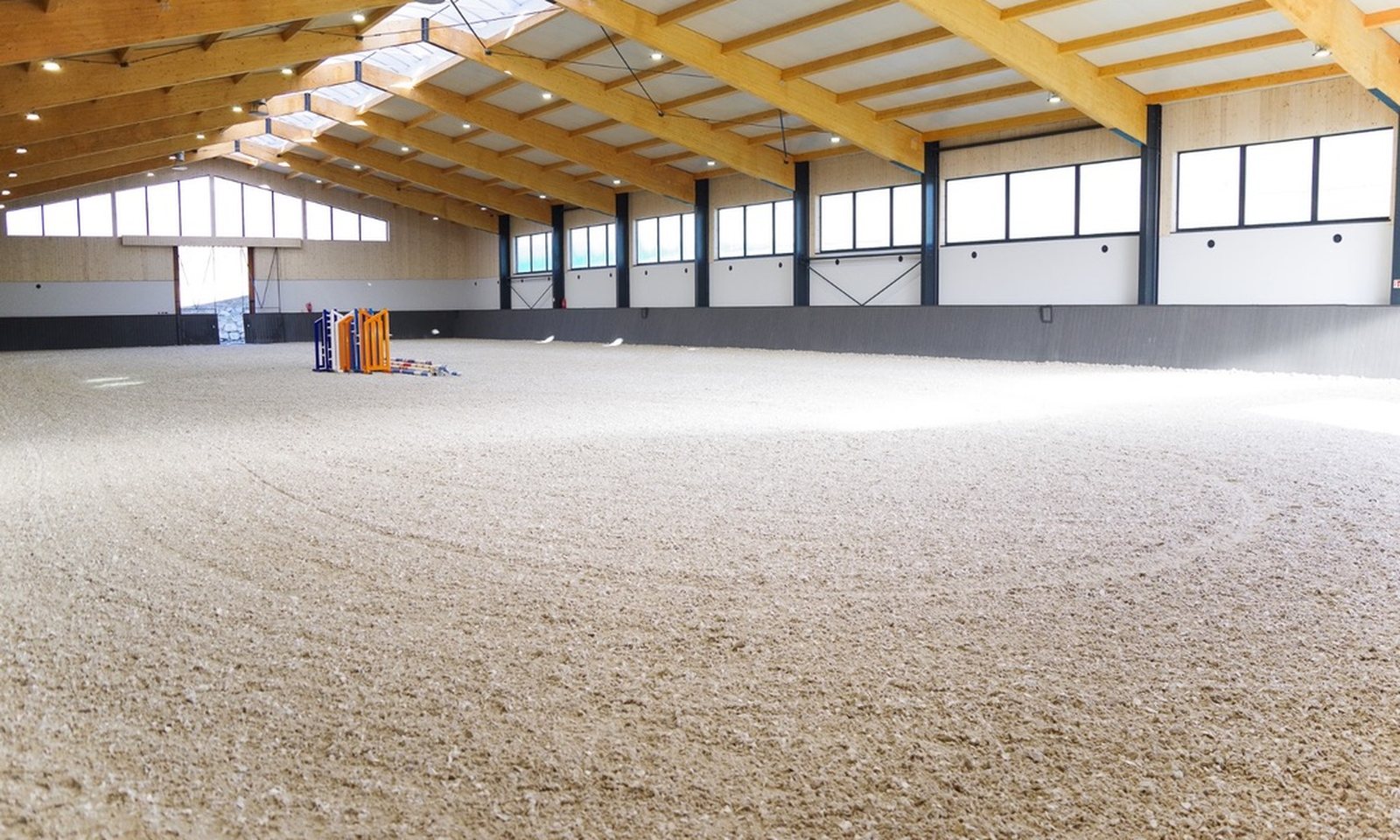
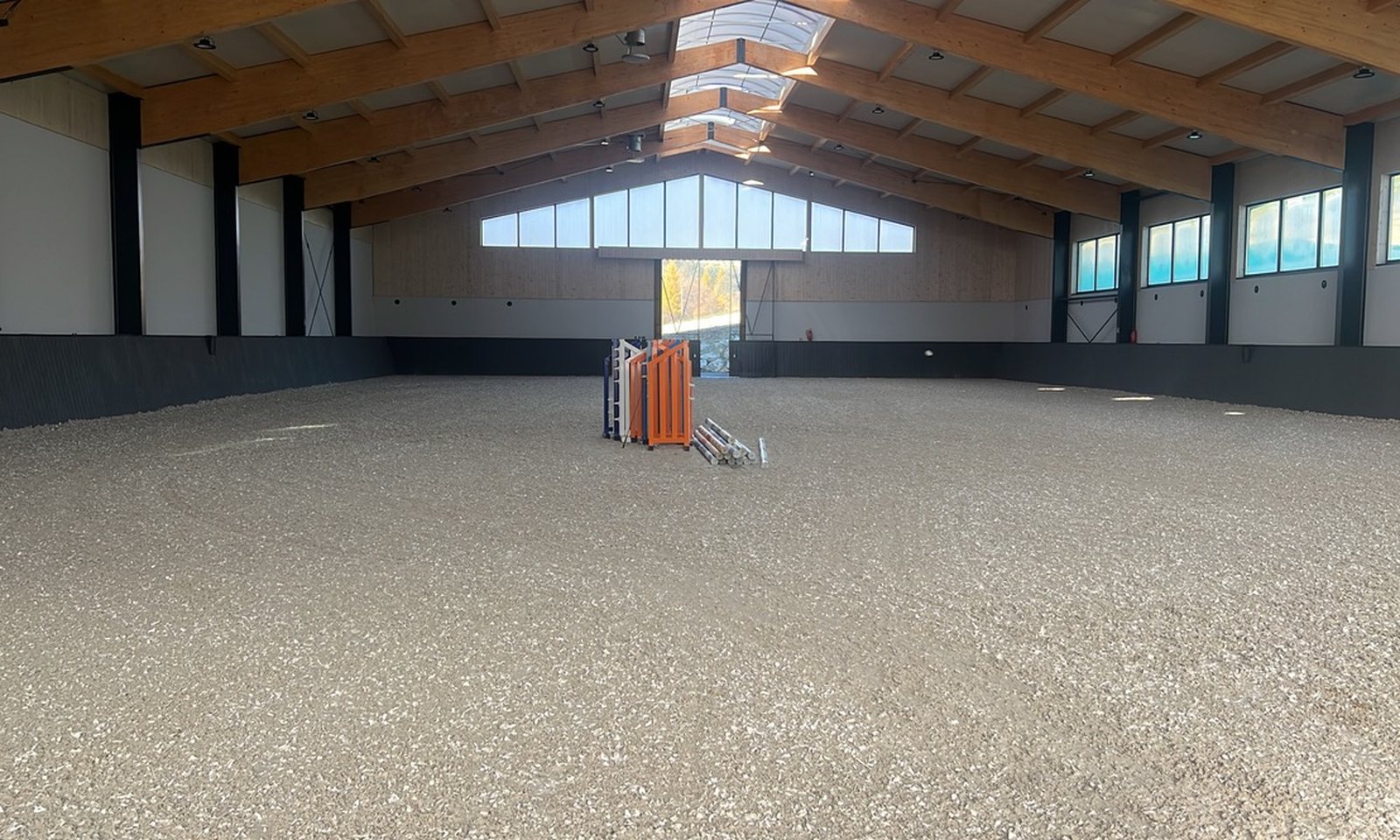
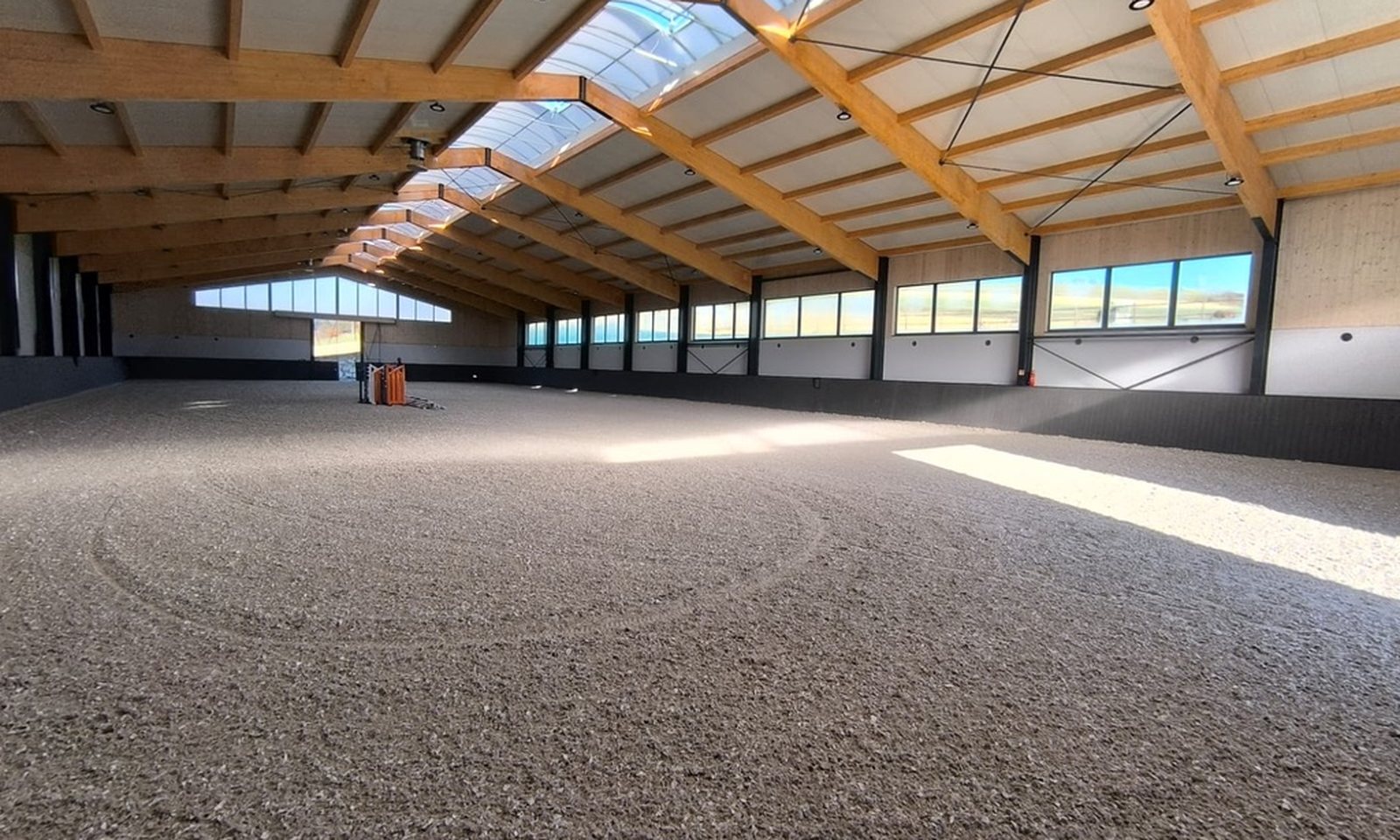
The surface close up and in the arena
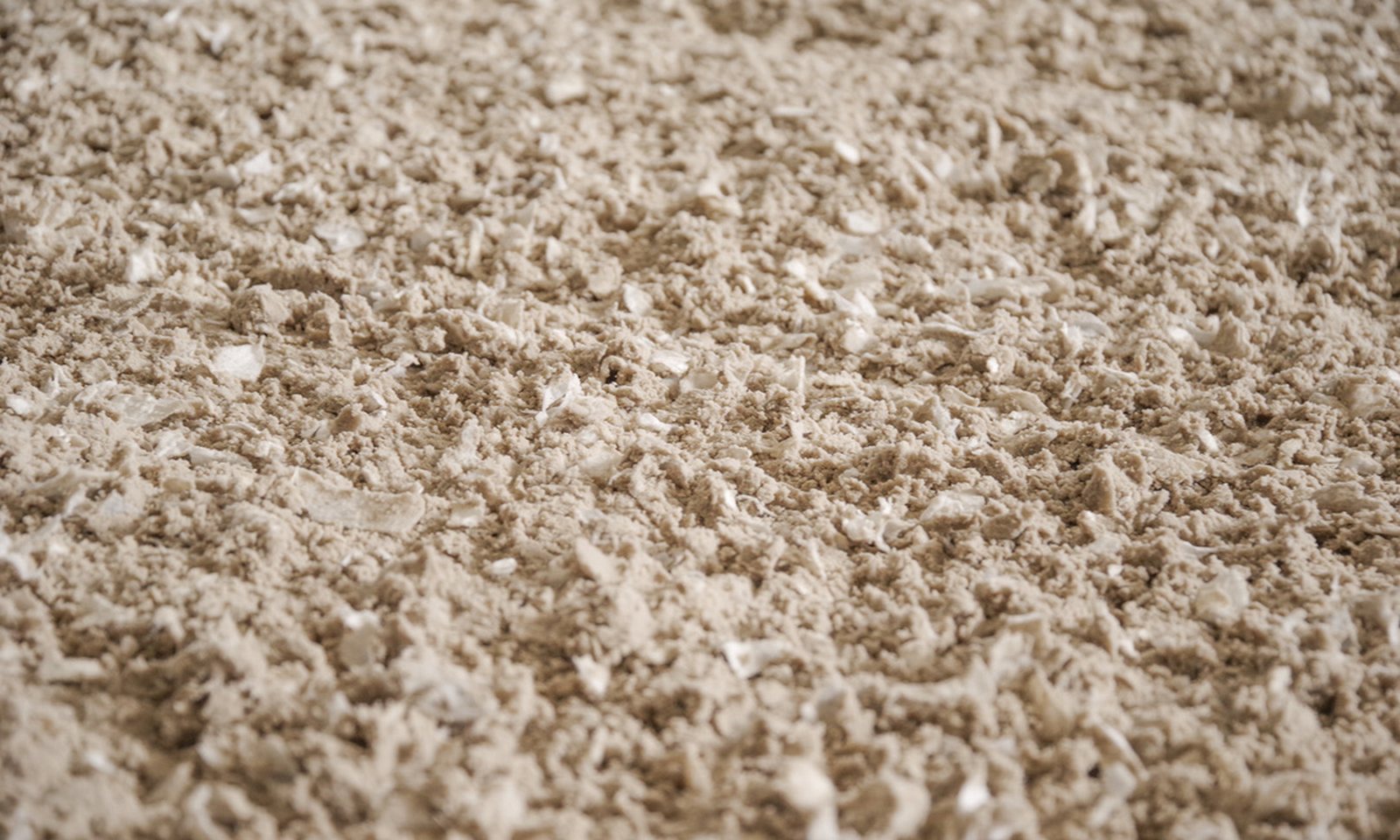
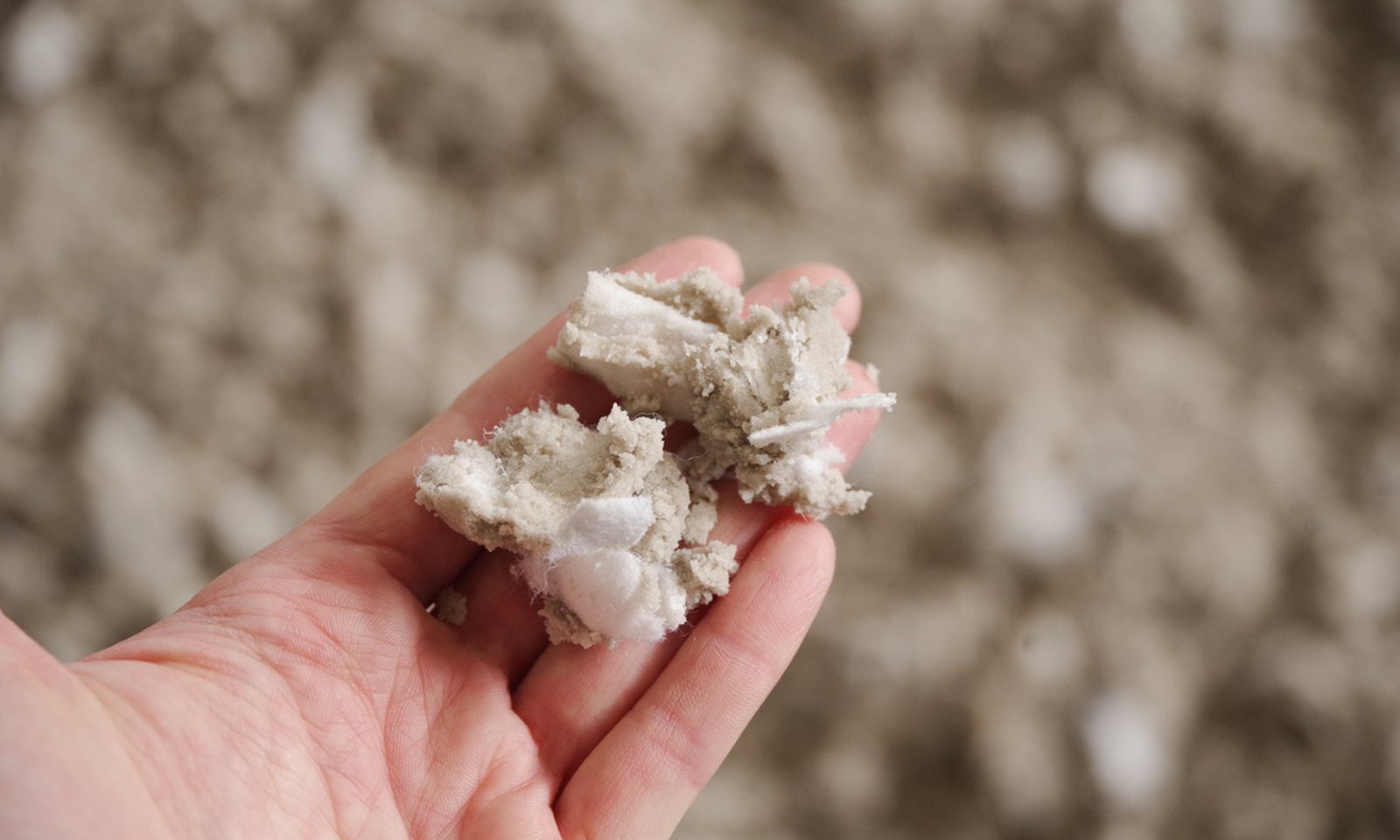
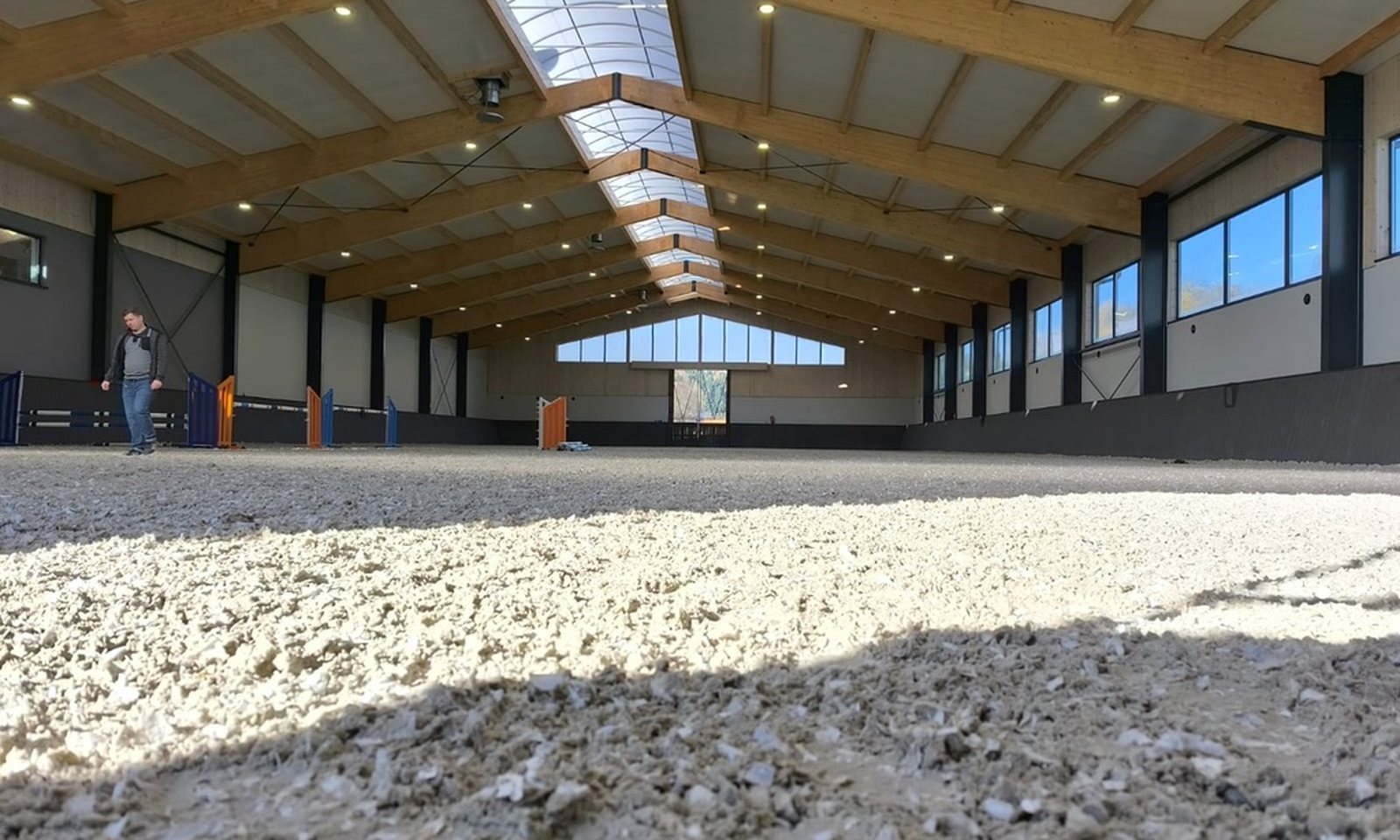
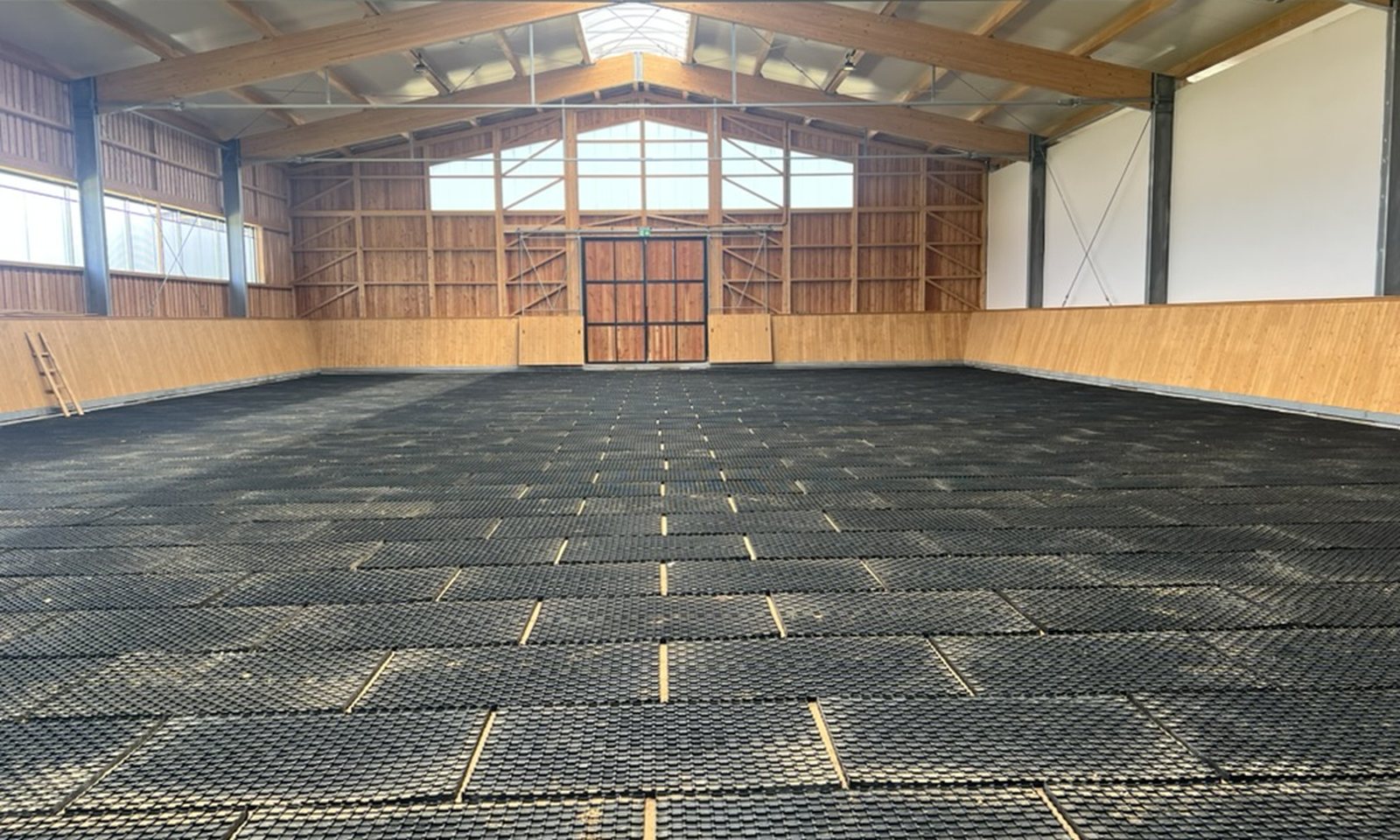
Instructions to download
Instructions for building the sub-base and laying the surface using the perforated-mat system, with quartz sand and geotextile fibre. PDF files, no details required.
Surface with perforated mats — indoor arena
Indoor version: no fall and no drains. Excavation 10 cm, edging 15×15 cm, 0–31.5 mm aggregate with a load-bearing capacity of 40 kN/m², levelling to within 2 cm, mats with a 3 cm expansion gap, sand with geotextile fibre and irrigation. 8 steps, 6 pages.
Surface with perforated mats — outdoor arena
Version for open ground: 1% fall, ø 10 cm drains every 10–20 m wrapped in geotextile, a 7 cm drainage layer of 6–18 mm aggregate, mats with a 3 cm expansion gap. 10 steps, 7 pages.
Price your surface
The configurator asks for the arena dimensions, the system and the postcode, and then gives an indicative cost of material with delivery. A few minutes, no registration.
Frequently asked questions
Why put a mat under a quartz sand surface?
It separates the riding layer from the sub-base. As a result no sand is lost, water drains evenly across the whole arena and the hoof does not punch through to the sub-base. It also allows the quartz sand layer to be reduced from 15 to 8–10 cm.
What depth of quartz sand is right?
On a mat, a riding layer of 8–10 cm is used. Too deep a layer tires the horse; too shallow and the hoof punches through to the mat. We give the exact depth together with the cross-section in the quote.
Can the riding layer alone be replaced?
Yes, if the sub-base is sound. The replacement itself is usually a few days' work. Most of the time goes on removing the old material and levelling the sub-base.
Why do puddles form?
Almost always because of the sub-base — the wrong fall, poor compaction or a lack of drainage. Adding sand will not fix it. That is why we inspect the facility or ask for photos and measurements before quoting.
How does ArenaWet differ from ordinary irrigation?
ArenaWet moistens the surface from below, through the mat layer. Sprinklers and overhead booms deliver water from above. We describe the different methods on the arena irrigation page.
