


Rubber mats for stables, aisles and wash bays
A mat separates the horse from the concrete. The effect shows most quickly in two places: in bedding consumption and in the joints of horses that stand a lot.
We supply vulcanised mats for loose boxes, aisles, wash bays, horse walker and solarium bays, as well as rubber pavers for paddocks and walkways. Part of the range is produced by our own group — Ecoplank.
Ask for a quote Back to stable equipment
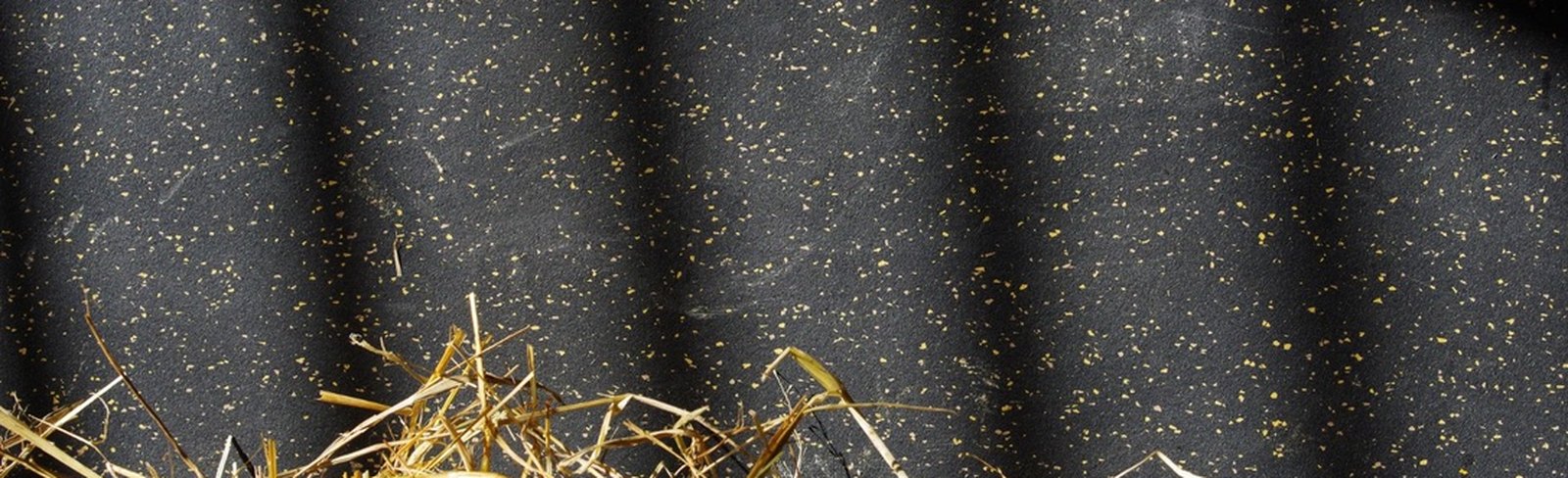
Where we use it
Loose boxes
A warmer bed, less bedding, easier mucking out. In a new box we lay rubber from the roll; in an existing one — Easy Mat.
Aisles and walkways
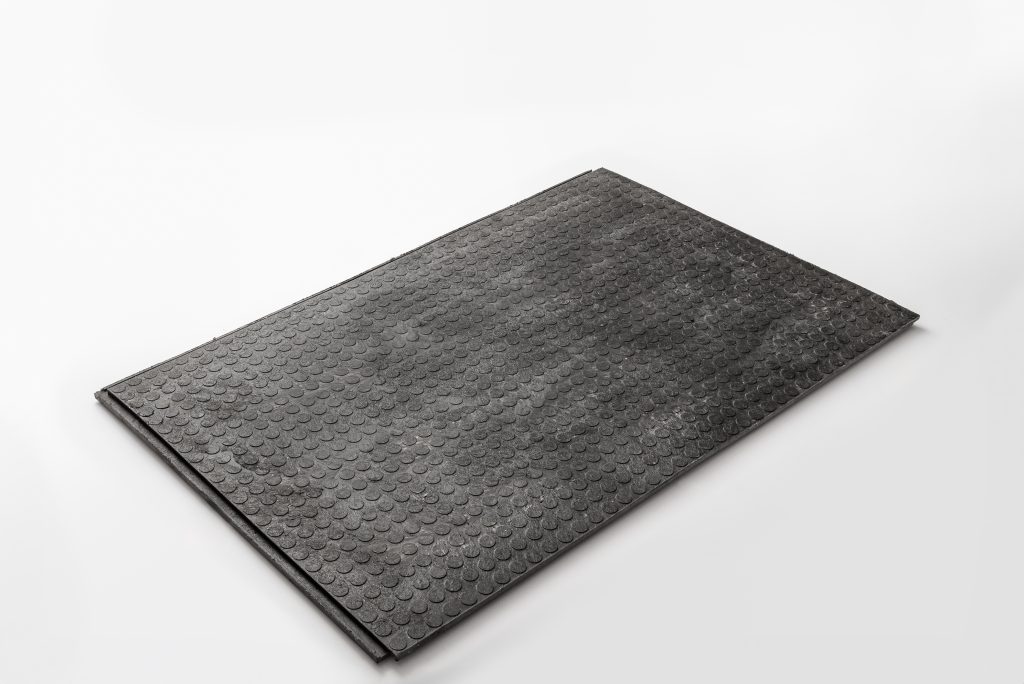
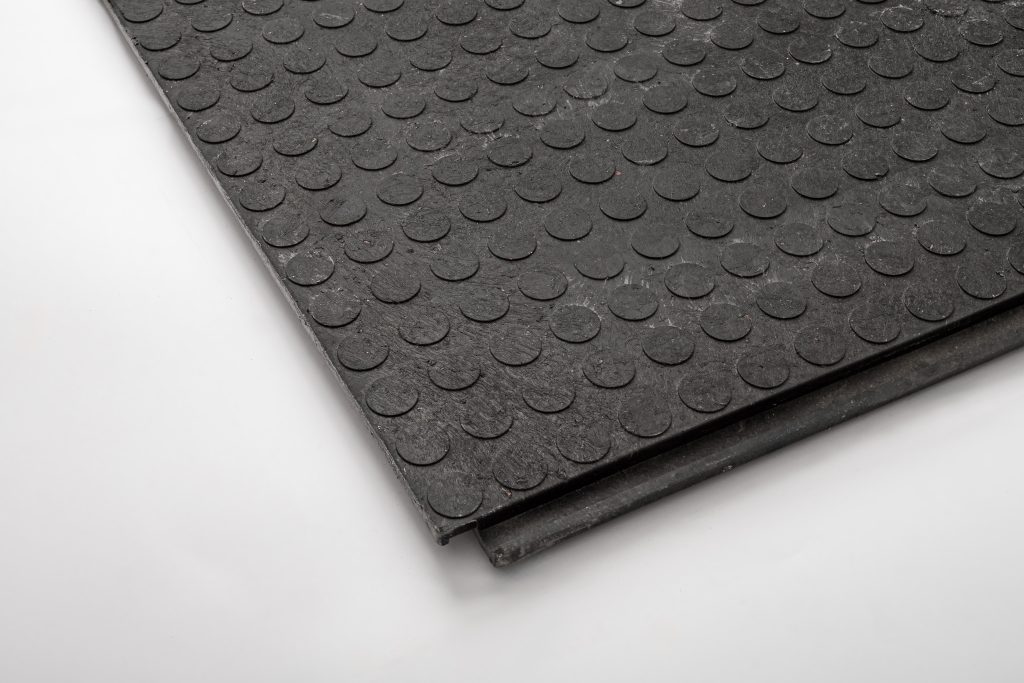
A non-slip surface, resistant to horseshoes and barrow wheels. Usually Easy Mat — the slabs can be relaid when the stable layout changes.
Wash bays and treatment bays
This is where rubber from the roll has the greatest advantage: one continuous surface, with no joints for water to get into. The horse stands securely even in the wet.
Horse walkers and lunge pens
Under a horse walker we suggest interlocking rubber pavers — they cope well with circular movement and are easy to replace locally. More: horse walkers.
Turnout areas and paddocks
Easy Mat and rubber pavers where mud and churned-up ground are the problem. The slabs lie directly on prepared ground, without adhesive.
Trailers and mobile stables
Mats cut to size for horseboxes and transportable stables.
Rubber from the roll or Easy Mat
This is not a choice between a better and a worse product. One thing decides it: whether the floor is yet to be laid or is already there.
Rubber from the roll — new building
Unrolled and bonded with polyurethane adhesive to a fresh, levelled floor. 12 mm for the floor, 8 mm for the walls. The result is one continuous surface — there are no joints for urine and bedding to get into. The condition is strict: the floor must be new, dry and level. On old, cracked concrete the adhesive will not bond and the rubber will start to move.
Easy Mat — existing building
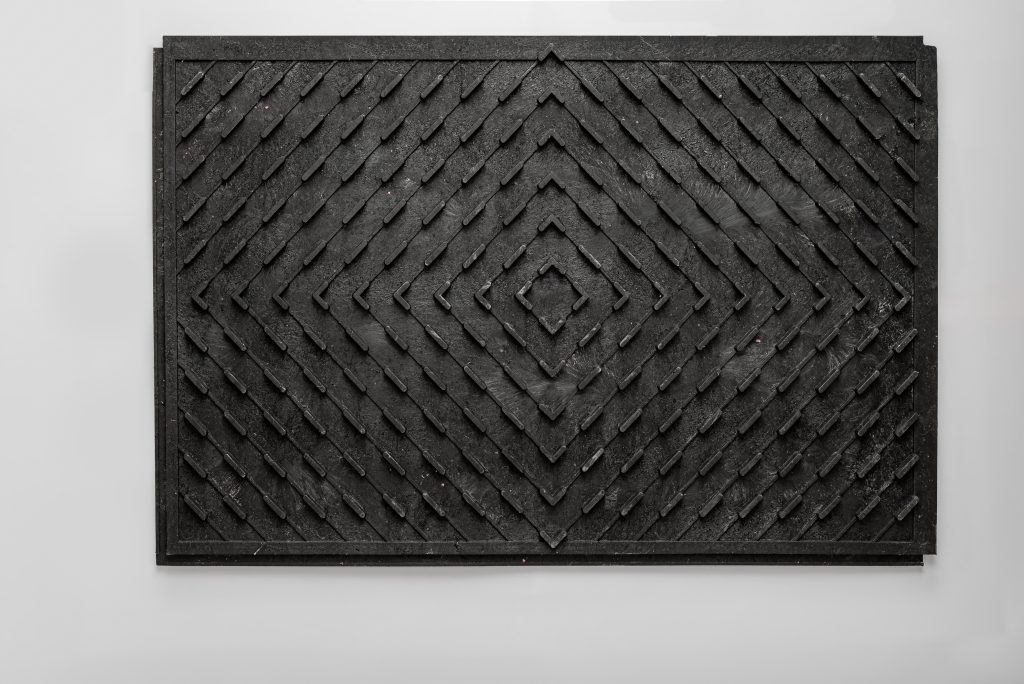
Separate slabs laid loose, without adhesive. They forgive the unevenness of an old floor and, if need be, can be lifted, washed and relaid elsewhere. This is the solution for a stable that is already standing and in which nobody is going to pour a new floor. It also works where the rubber lies on the ground — in paddocks, on walkways and under gateways.
| Criterion | Rubber from the roll | Easy Mat |
|---|---|---|
| When | New building or new floor | Existing building, paddocks, walkways |
| Installation | Bonded with polyurethane adhesive | Laid loose, without adhesive |
| Thickness | 12 mm floor, 8 mm wall | Depending on the slab pattern |
| Joints | None — one continuous surface | Joints between slabs |
| Floor requirements | New, dry, levelled | Tolerates unevenness; can lie on the ground |
| Changing the layout | A permanent solution | The slabs can be lifted and relaid |
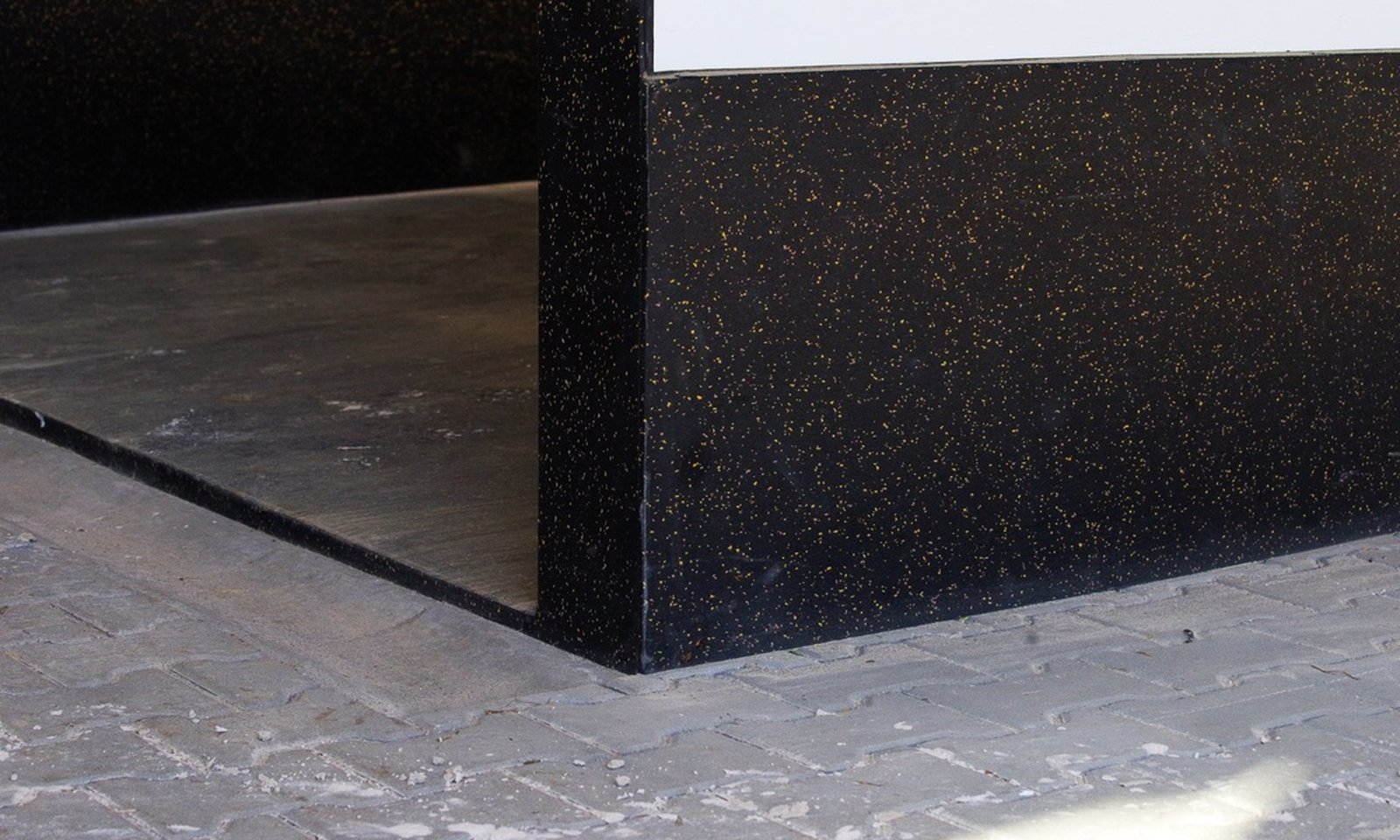
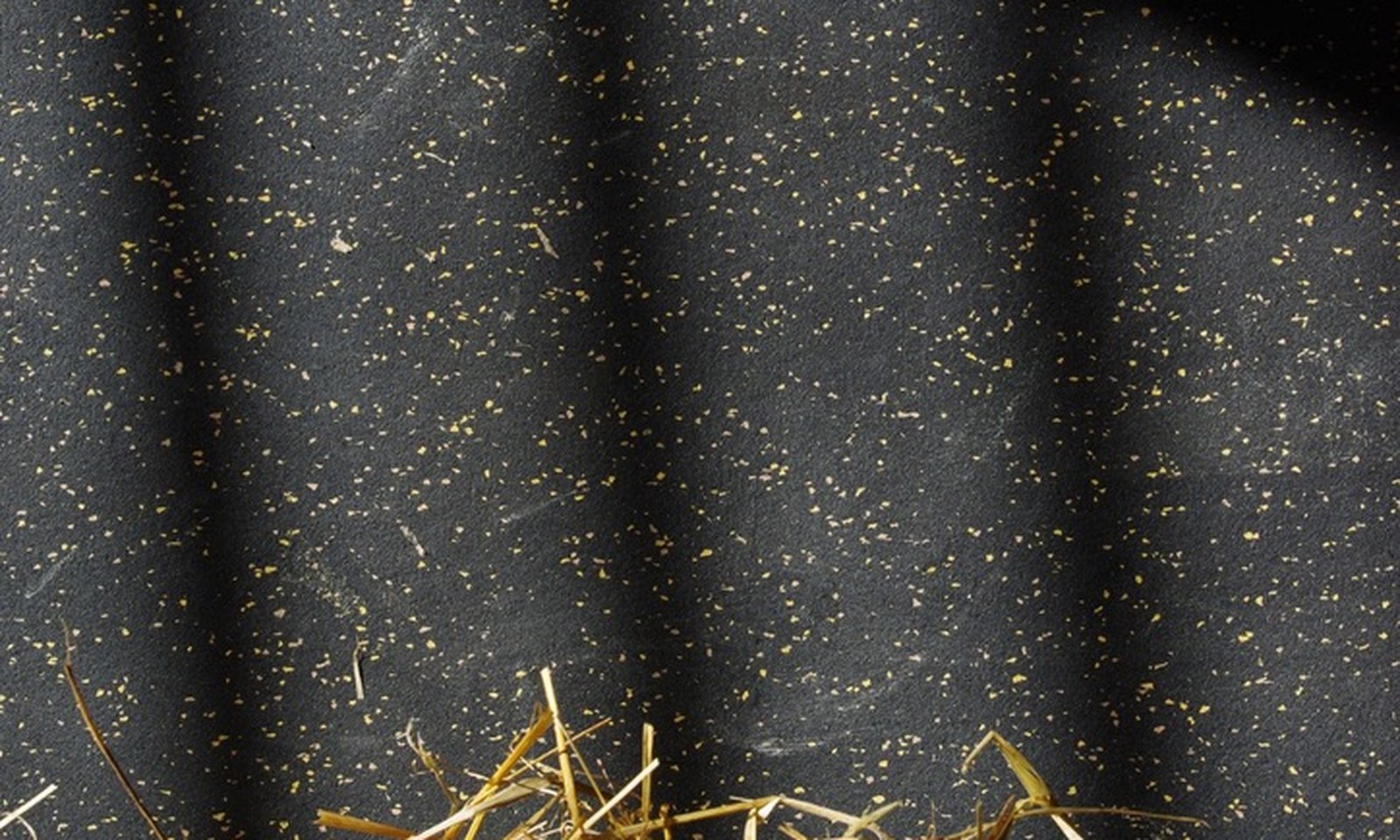
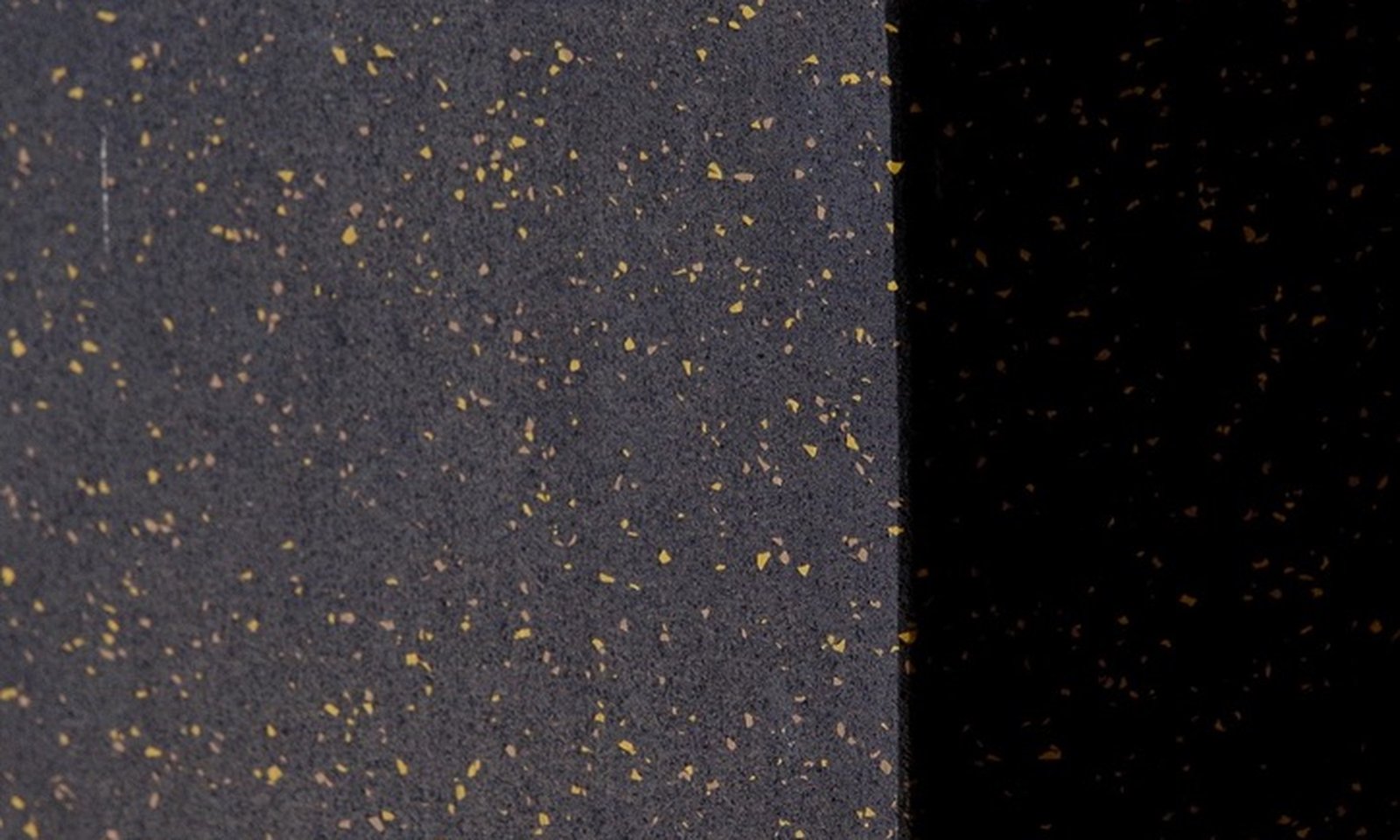
Three questions we start with
| Question | Why it matters |
|---|---|
| What is underneath? | Rubber requires a load-bearing, levelled foundation — concrete or a well-compacted sub-base. On soft ground the mats will move and drift apart. This is a condition, not a recommendation. |
| Box, aisle or wash bay? | In a box, cushioning and warmth are what count. In an aisle and a wash bay — slip resistance and resistance to abrasion. These are different products. |
| How much bedding do you use now? | This is the simplest way to work out the payback. A mat allows the bedding layer to be reduced, because the horse is not lying on cold concrete. |
What shapes the budget
| Factor | How it affects price |
|---|---|
| Area | The basic variable. We calculate in square metres, not in pieces. |
| Type of mat | A mat for a box, a mat for a wash bay and pavers for a horse walker are three different products at different prices. |
| Cutting to size | Standard formats are cheaper. Cutting to fit a non-standard box shape raises the cost. |
| Preparing the foundation | If the floor needs to be laid or levelled, that is a separate item — on our side or yours. |
| Transport | Rubber is heavy. On large orders transport is a noticeable part of the bill. |
What a mat will not do: it will not fix a badly laid floor and will not replace drainage. If urine stands in the box, the problem is the fall of the floor, not the lack of a mat. We always lay rubber on a prepared foundation.
Tell us where they are to go
Give us the area and the purpose — box, aisle, wash bay, horse walker. We will select the right product and prepare a quote including transport.
Installation instructions to download
If your own team is laying the rubber, or you want to know what to require of the contractor — the instructions cover everything: floor requirements, relaxing the rolls before bonding, the order of applying the adhesive, two permitted types of joint and the times after which the floor may be loaded.
The instructions apply only to bonded rubber from the roll — 12 mm for the floor and 8 mm for the wall. Easy Mat is laid loose, without adhesive, so nothing described here applies to it: neither relaxing the rolls, nor bonding, nor sealing the joints, nor drying times. Easy Mat slabs are simply laid on a prepared, levelled base.
Frequently asked questions
Do mats reduce bedding consumption?
Yes, and that is usually the main reason for buying them. The horse is not lying on cold concrete, so the bedding layer can be thinner. The scale of the saving depends on how much bedding you use today.
Is a foundation needed under the mats?
Yes. Rubber requires a load-bearing, level base — concrete or a carefully compacted sub-base. Without it the mats move, drift apart and stop doing their job.
Do the mats shift?
Correctly selected and cut, laid on a level foundation — no. The problem arises when they are too thin or the floor is uneven.
How are they cleaned?
With a brush and water. Vulcanised rubber does not absorb, so it does not hold odour. From time to time it is worth lifting the mats and washing the floor underneath.
What to put under a horse walker — mats or pavers?
We suggest interlocking rubber pavers. They cope well with continuous circular movement, and a damaged section is replaced locally, without lifting the whole surface.
